
My current book manuscript project, entitled “Fighting Forgetting: Recovered Histories of Black Richmond ,” examines issues of race, space, and memory over the course of the late nineteenth and early twentieth century in the American South, and the nation more broadly, through the case study of one site and its institutional transformations over time in Richmond, Virginia. The project highlights the untold story of Chimborazo Hill, which once held a Confederate hospital during the Civil War (1861-1865); a post-war neighborhood for African Americans, a school managed by the Freedmen’s Bureau, and a church called Fourth Baptist (1865-1877); a municipal park, established by White residents to displace the African American community (est. 1880); and the Confederate Medical Museum managed by the National Park Service’s Richmond National Battlefield Park (RNBP) (est. 1959). Today, the museum remains on-site and is co-located with the municipal park.
I recently published part of this research in an article for the European Journal of Geography‘s special issue “Spatial Humanities and Contemporary Geographical Approaches” and recently authored as Chimborazo Park Conservancy’s Historical Consultant in the Church Hill Association Sep/Oct 2024 newsletter that commemorates the history of an emancipated African American community who previously lived on-site during the Reconstruction era.
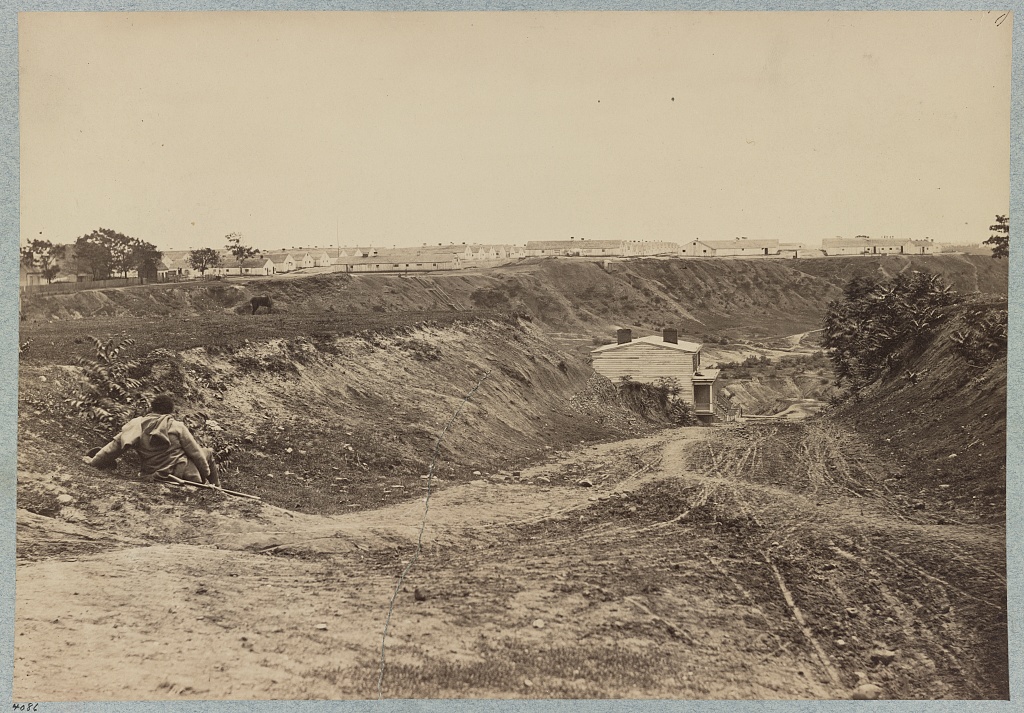
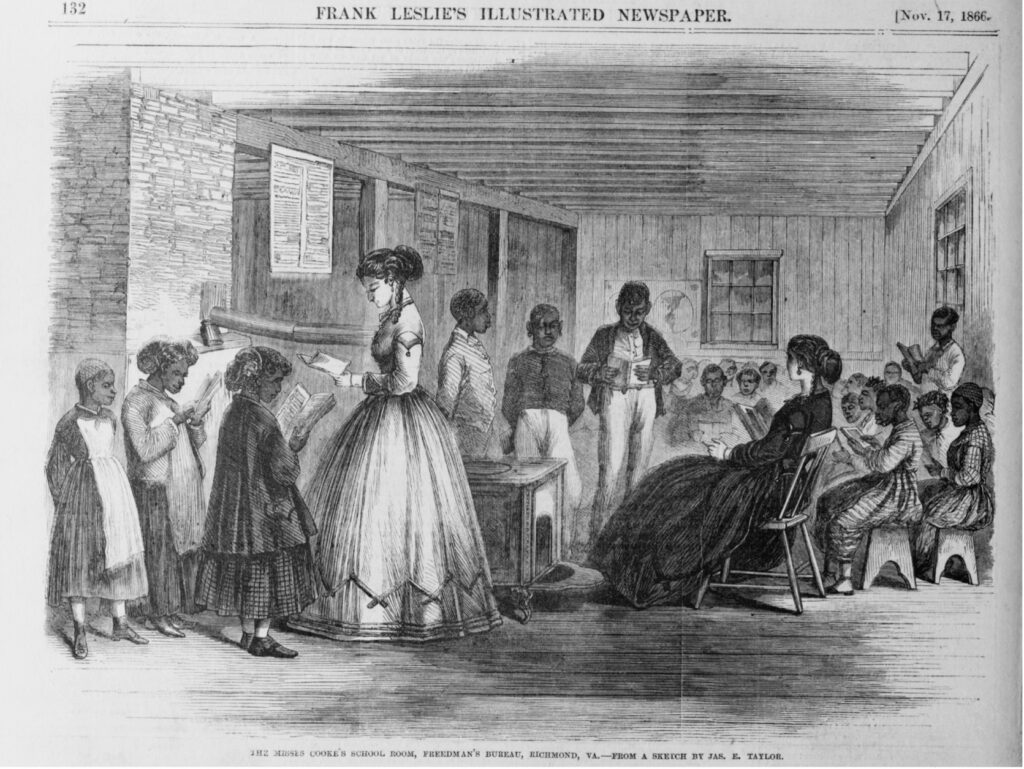
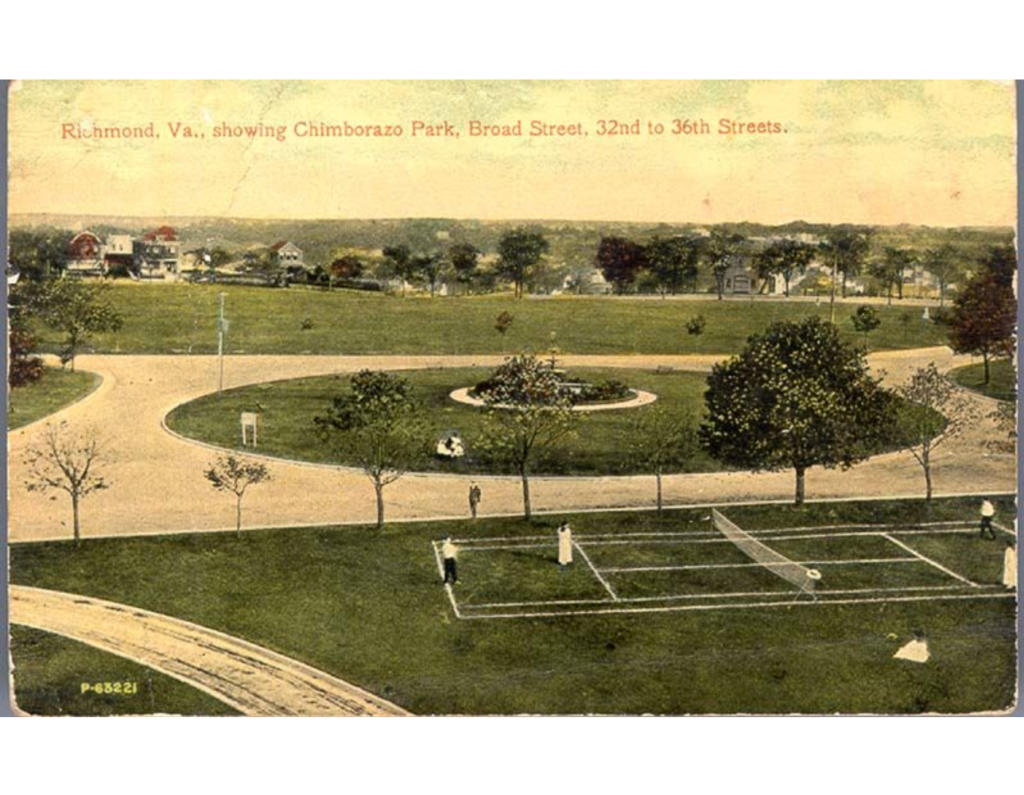
The project recovers and reconstructs these institutional transformations as a way to explore the larger relationships between remembering and forgetting, and racial politics and land use, throughout the nineteenth and twentieth century American South, and nation more broadly.
The project draws on extensive archival research from city council meeting records, newspapers, government manuscript records, historical maps and atlases, photographs, and census data which I combine with digital mapping methods and community-engaged research with members of the African American community, including oral histories conducted with elder members of Fourth Baptist Church. Each chapter focuses on an institution related to the site (hospital, school, church, park, and museum).


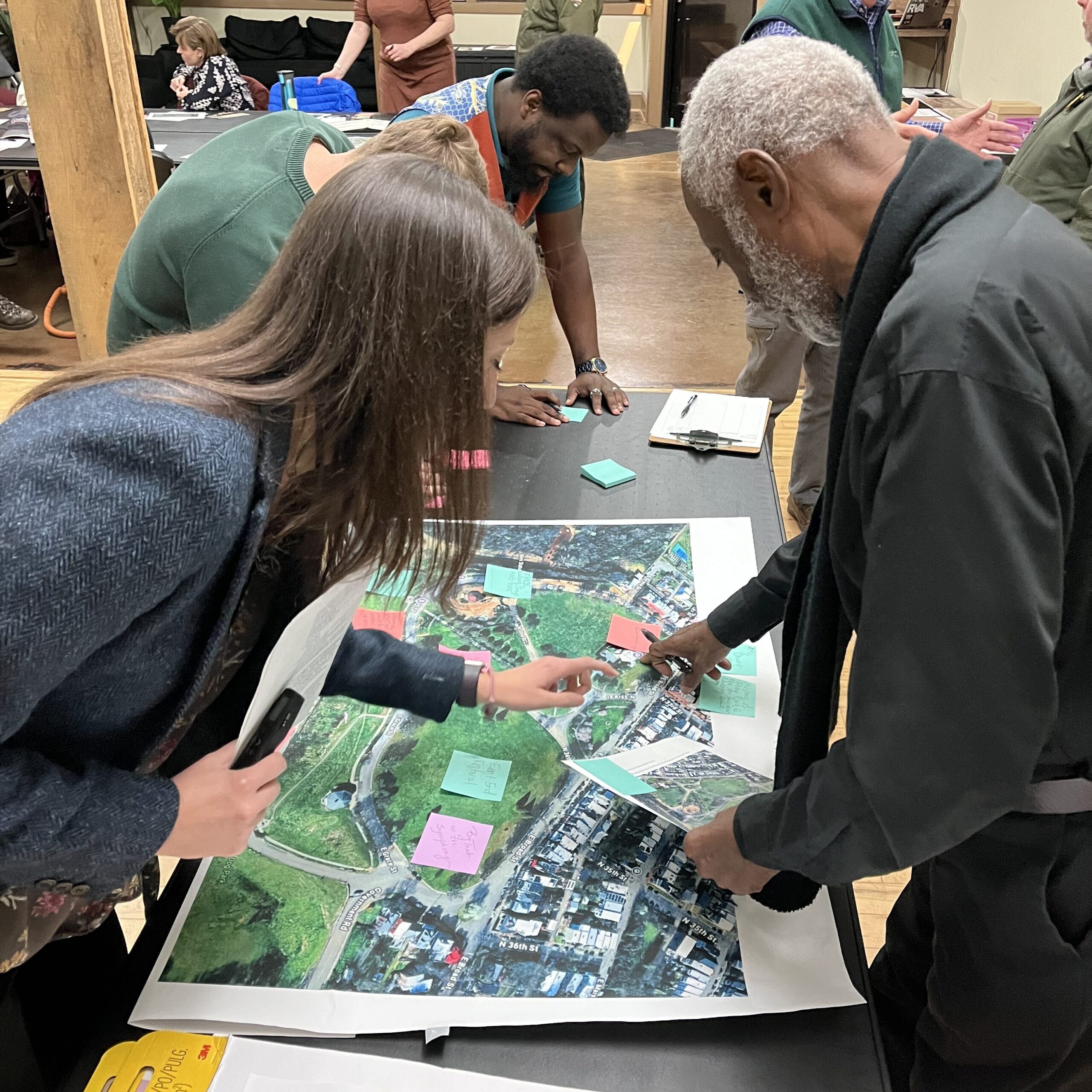
I am currently working on publishing a book that will advance these academic fields through frameworks that I am producing about the ties of placemaking and memory at Chimborazo Hill, which can also be applied to other American cultural institutions. The project also engages with community members of the larger Church Hill neighborhood and offers new public interpretation of the Chimborazo Hill site. Through my current community-engaged work, which includes consulting with museum curators and other stakeholders such as Chimborazo Park Conservancy and Fourth Baptist Church to create public interpretive materials, the project directly impacts local public audiences by bringing the stories and institutional histories of the African American community, whose histories have been largely forgotten, back into the historical record of Chimborazo Hill. Specifically, through partnering with Fourth Baptist Church leaders to digitize their records and conduct and share oral history interviews, this work recovers archival silences resulting from the church’s past displacement at Chimborazo Hill. I also plan to publish a digital companion to the book, so be on the look out here for more information!
